What is that for?
Let's establish the reality, despite the tyranny of prevailing opinion and sentiment. The portal is intended to be a space where users strive to formulate the most useful set of views from the perspective of the group to which they belong. This will be achieved by aggregating content, flagging it as true or false, and sorting it by relevance.
Thanks to the efforts of users, the recipient will receive the most relevant information on a topic, spending as little time as possible. Social media algorithms and recipient habits determine the existence of information bubbles. Media companies exploit these mechanisms to shape the recipient's views, which are beneficial to the company, but not necessarily beneficial to the recipient. As a result, the recipient is convinced that they are acting for the common good, but achieve results that are counterproductive to their intentions.
Before the portal's creation, discussions were perpetually unfinished – each side's final word was spoken within its bubble, never reaching those outside. As a result, each person was convinced they were right and the other side was an idiot believing lies. The obvious result is growing polarization, which benefits the "managers of the dominant bubble." Strong polarization prevents jumping to another bubble because it requires changing too many views. This cements the consortium's position.
The portal aims to change this state of affairs. By aggregating the most important arguments, data, and facts on a given issue, a compendium of knowledge will be created that can be used to make decisions or change opinions. Media corporations will lose their monopoly on shaping opinions. Information bubbles will be burst, topics will be thoroughly discussed, and the method of repeating lies will no longer be effective.
The portal's motto is a paraphrase of a passage from John Stuart Mill's book "On Liberty." Mill believed that imposing views by prohibiting discussion is a form of tyranny. In my subjective opinion, media corporations, taking advantage of freedom of speech and the power of their reach, have shaped their audiences into views favorable to them and then deemed it "unacceptable" to challenge them. People engaging in discussions in these areas are marginalized. Audiences are bombarded with questionable data. Content that challenges questionable data is lost in the thicket of new content that aligns with the line.
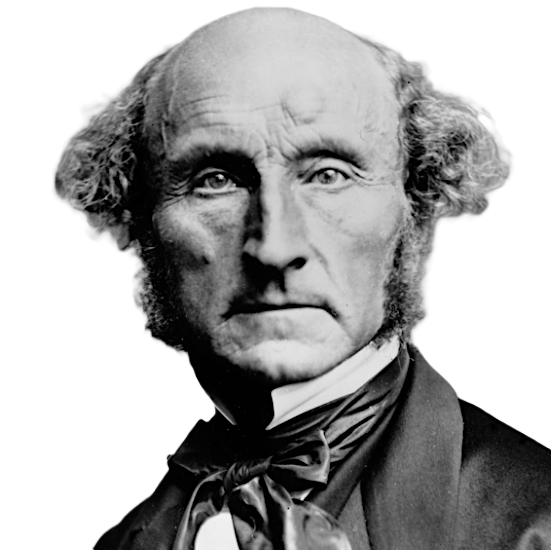
Utilitarianism, as defined by John Stuart Mill, is an ethical theory that assumes that the best actions are those that bring the greatest happiness to the greatest number of people. According to Mill, utilitarianism allows—literally—to calculate whether something is good or bad. A simplified method is to conduct an intellectual experiment: simply imagine the full spread of the behavior under study in society and then determine the level of happiness and suffering in the group. If the long-term balance is positive, then the behavior is morally good. It is worth mentioning preferential utilitarianism, which assumes that happiness is the satisfaction of preferences, not pleasure. In this view, any behavior that leads to the extinction of a group, after full spread, is bad because people have a strong preference to live and survive as a group. In the classical approach, the extinction of a group is bad to the extent that it deprives future generations of potential pleasures and causes suffering to the survivors (e.g., grief for loved ones). But pure suffering (e.g., torture) is judged as worse than mere nonexistence. Thus, stealing is wrong because, if widespread, it will lead to chaos, group separation, reduced efficiency, and ultimately, greater suffering and reduced pleasure. For the utilitarian, homosexuality is more wrong than theft because the group's extinction is certain, not merely possible. Widespread homosexuality guarantees the group's extinction, depriving future generations of potential pleasures. Stealing will only divide the group and reduce efficiency, but the group will survive. In the preferential approach, homosexuality is wrong because it violates the group's survival preference.
How does it work? Payments are processed by Stripe, a secure international intermediary.
Content tagging
Posts are flagged. Users who comment on content can influence the type of flag assigned. Comments deemed relevant, meaning those containing sources for "hard data," will be flagged by the page author and displayed first. Content is created by users, while the order and visibility of content are subjectively determined by the website administrator. This is intended to avoid information chaos.
Display order
Content should be sorted so that users receive the most important information first. The standard order of the homepage algorithm is as follows:
- Statistics and other "hard" data. The higher the level of research, the more accurate the measures and methods used, the larger the research sample, and the more skillful "biting into the heart of the problem," the higher the ranking.
- Expert opinions, collected knowledge, content based on data but containing some form of interpretation or opinion.
- Everyday examples. They say little about the overall process, but can highlight certain aspects.
- Humorous, informal content that is not intended to convey any substance but is relevant to the topic. This category will also include content containing opinions, without citing sources or referencing statistics.
There will be exceptions to these general guidelines. If the page author deems some content important (or amusing) enough to be higher in the hierarchy, it will be higher. Typically, this is to ease the reader's mind or highlight content censored on other sites.
Content in the "News" tab is sorted chronologically to highlight ongoing discussions and new content. The dates of posts and comments are taken into account. This will make it easier for users to notice changes in content status, for example, to false information.
Important restrictions
Absolute ban on publishing content related to Polish politics. It is prohibited to publish content that negatively portrays identifiable individuals with Polish citizenship, groups of such individuals, or companies with Polish capital. Discussions must address the general issue, and any examples must come from abroad.
Support
The portal is a non-commercial project: it does not display external advertisements, does not use a paywall, does not collect data, and does not place content. It is maintained as a hobby in my free time. The website may only feature materials promoting its own project-related gadgets – exclusively in the form of self-promotion. The portal is intended to be a broad space for discussion, allowing topics to be raised that are reluctantly tolerated or censored on commercial portals. It is intended to serve users and broad debate, not advertisers.
If you think what we're doing here makes sense and you'd like to contribute, I'd be very grateful. Your support accelerates development (new features, better moderation, more stable maintenance) and reduces the opportunity cost of time spent.
What helps:
- Recommending the portal to people who will be creating their own news.
- Buying gadgets!
- A one-time donation – a simple signal that you think this makes sense.
- Occasional/regular support – stabilizes costs.
- Posting links to the portal during online discussions – be sure to narrow it down to the tags being discussed so that new users don't have to guess what it's all about. It is best to save links to a properly constructed tag filter in a notebook on your desktop, for example – this saves time. By sending a link, your conversation partner has the opportunity to broaden their horizons or those of other users if, for example, they manage to challenge the linked material.
The most important thing is to use the portal responsibly, report errors, add sources, and keep the discussion organized. Remember that you can suggest new tags in the “Add news” section.
Thanks for your support!
Traditional methods
You can donate to our activities via Stripe (BLIK, card) or buymeacoffee.com/aktualnaagenda (card).



Gadgets
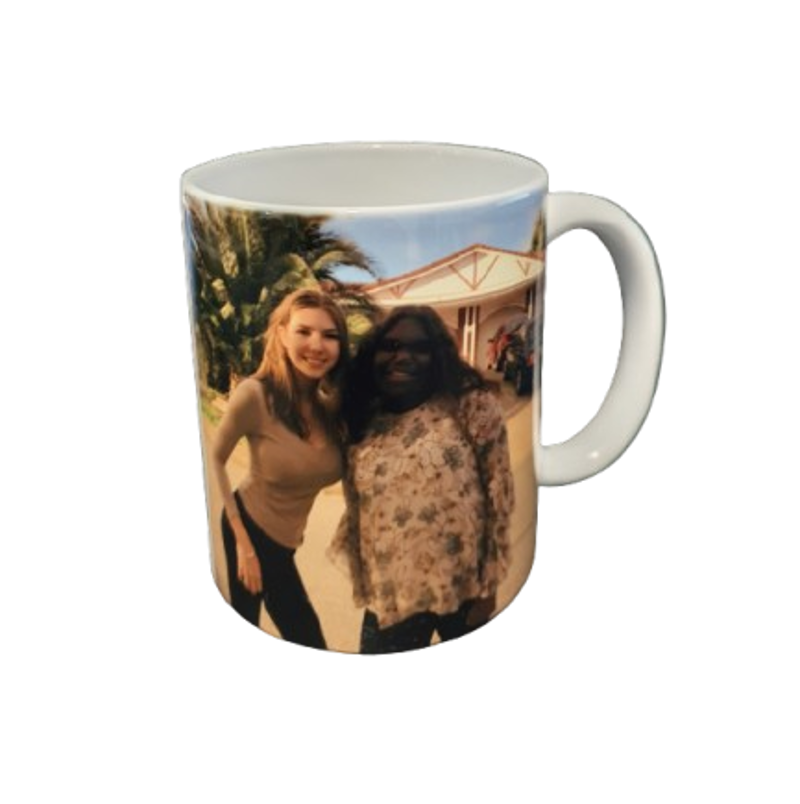
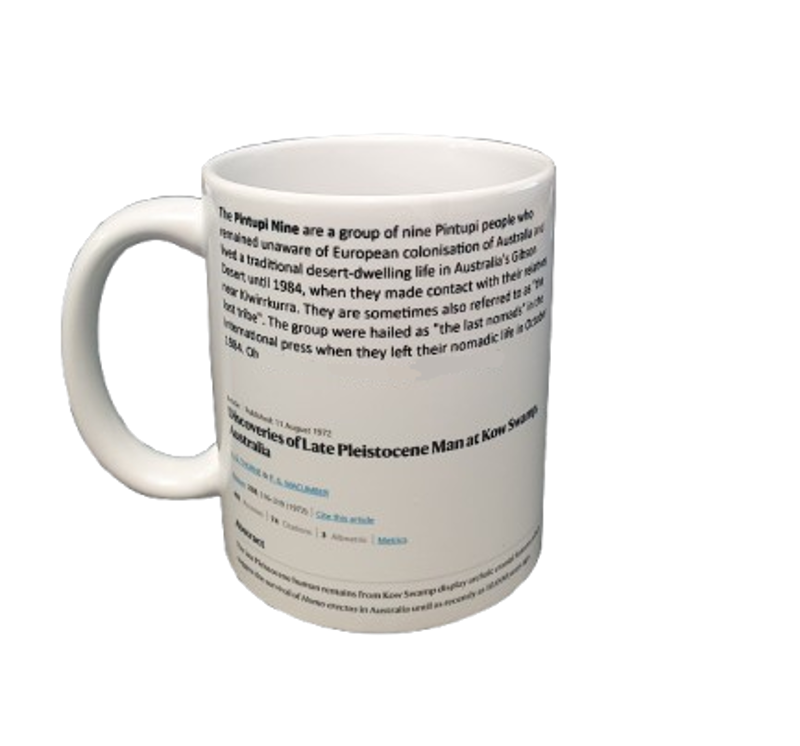
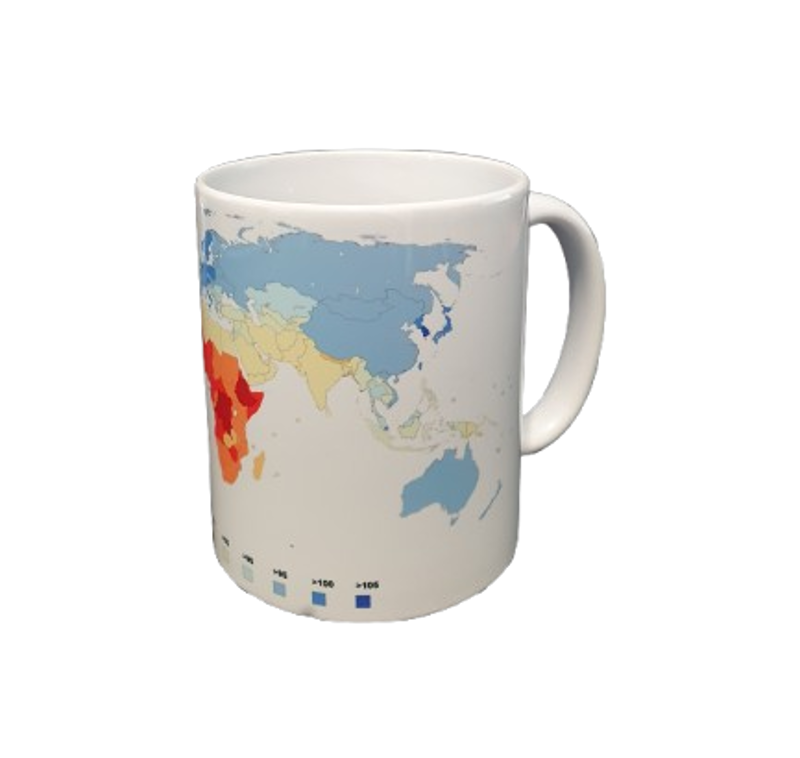
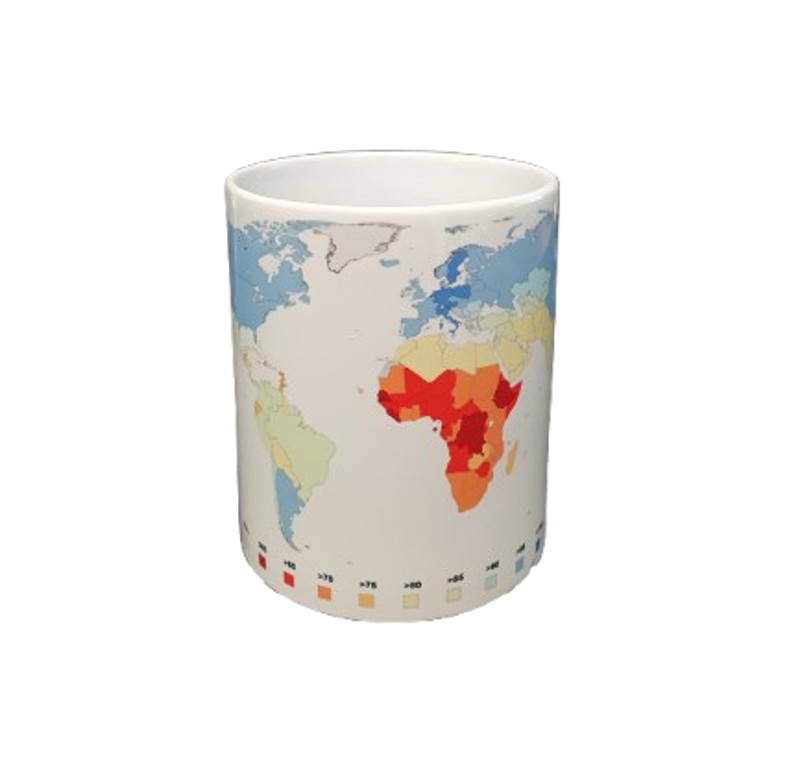
You can support our activities by purchasing our merchandise. We highly recommend it!
Cryptocurrencies
If you want, you can send funds to the addresses below. Let us know if you want to use other cryptocurrencies. Using cryptocurrencies is very simple and is explained using Bitcoin and the Cashapp application as examples in the following video by a YouTube user (the address in the video is NOT ours):

Bitcoin
BTC Scan the QR code

Ethereum
ETH Scan the QR code

Litecoin
LTC Scan the QR code

Dogecoin
DOGE Scan the QR code

Trump coin
TRUMP Scan the QR code
Contact
The portal is non-commercial in nature. Servers are located in Poland. The portal was created, maintained, and administered solely by a Pole who does not run a business.
Contact us at: [email protected]
Terms and Conditions and Privacy Policy
Please read the regulations and privacy policy.
Gadgets
I recommend the gadgets! Payments are processed by Stripe, a secure international intermediary.