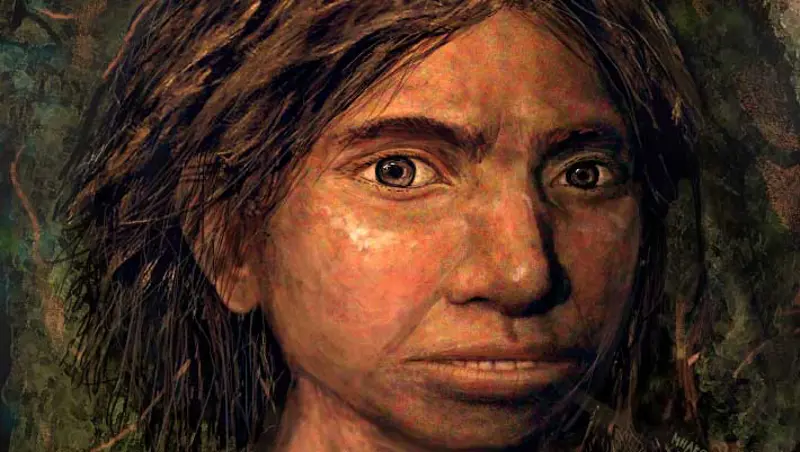
Denisovans identified from Siberian finger bone and sparse fossils. Denisovans diverged from Neanderthals 400,000 years ago. At least three distinct Denisovan introgression events into modern human genomes. Denisovan populations ranged from Siberia to Southeast Asia, Oceania, and South America. Denisovans adapted to distinct environments. Denisovan genes confer hypoxia tolerance in Tibetans. Multiple Denisovan genes heighten immunity in modern humans. Denisovan lipid metabolism gene provides cold-induced heat for Inuit. Denisovan ancestry shows complex relatedness among lineages. Interbreeding with hominins like Denisovans shaped modern humans. No single common ancestor for humans due to archaic admixture. Denisovan segments persist in Asian and Oceanian genomes. Future research needed in understudied populations for hidden Denisovan traces. More fossils and archaeology could reveal further impacts.
Comments
Be the first to comment!