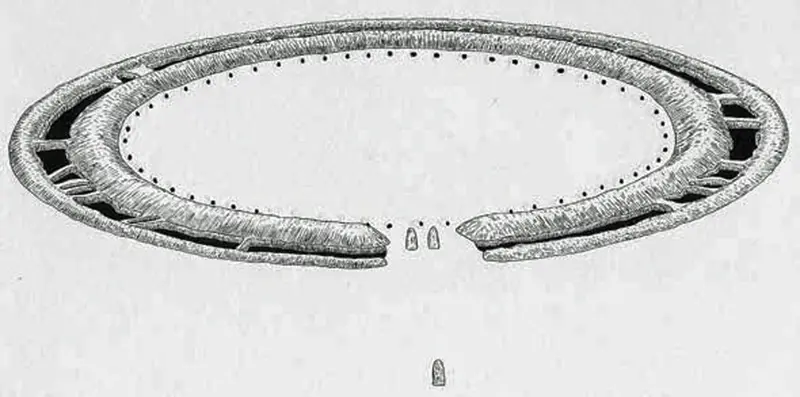
Stonehenge located on Stonehenge Bottom palaeochannel shoreline surrounded by high groundwater. Site chosen for water access over astronomical view despite higher hill nearby. Neolithic groundwater reached 100m filling dry valley creating peninsula. Ditch dug as moat with varying depths to hit groundwater table. Moat lined with foot-trampled mud clay and struck flint like dew ponds. Dark soil layer proves long-term water presence from sediment and decayed organics. Yellow marl in banks confirms freshwater during construction. Connected moats around north south mounds. Chalk subsoil chosen for slow porosity and water resistance. Reeds in moat purified water to drinkable quality. Ditches not defensive or ceremonial but practical moats. Builders hauled Welsh stones but prioritized water site. Hawley excavations confirm moat features ignored by archaeologists. Avebury ditches similarly moats taking massive labor. Prehistoric Britain featured widespread water-surrounded monuments.
Comments
Be the first to comment!