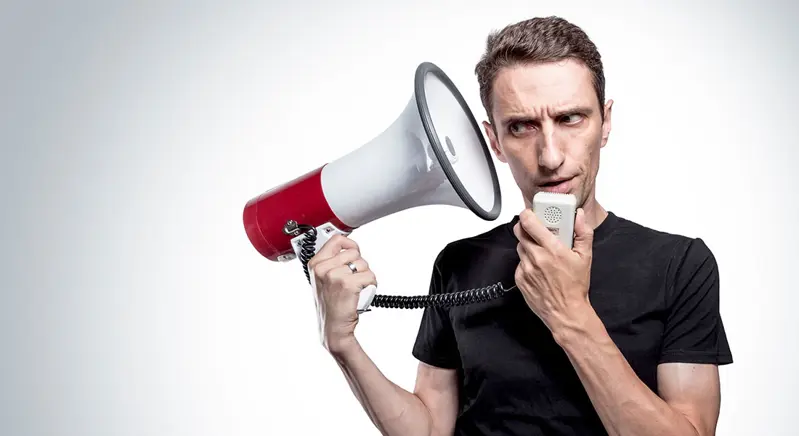
People without inner voice perform significantly worse on verbal memory and rhyming tasks.
Go to the source page
5-10% of people lack an inner voice. They think in pictures or silently process non-verbally. No-inner-voice group significantly worse at remembering phonetically similar words. They struggle more with ordered word recall requiring subvocalization. Worse at determining rhymes from pictures by sound comparison. No differences in task-switching performance. No differences in distinguishing similar figures. They compensate with strategies like finger-tapping. Verbal memory deficits not noticeable in everyday talk. Inner voice likely aids cognitive behavioral therapy by identifying thoughts. Anendophasia coined for lack of inner voice. First study links it to behavioral deficits. Affects sound-based language processing.
Moderators' opinion:
Unverified information
Comments
Be the first to comment!