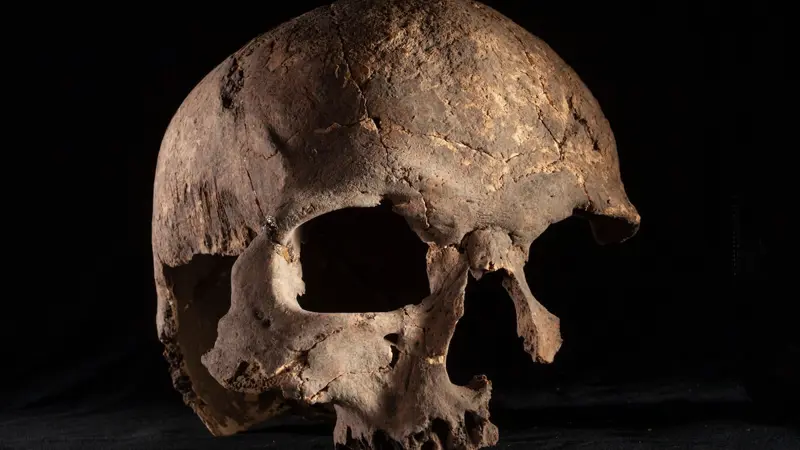
Complex stem population models with splits and mergers match modern human genetic variation better than solid stem models. Old genetic differences predate population splits due to early branching and remixing in Africa. Glacial cycles drove Homo sapiens groups apart then back together from 1 million to 100,000 years ago. Khoe-San ancestors formed 120,000 years ago from merger after glacial warming flooded coasts. Khoe-San possess more genetic diversity than all other humans combined. Nama Khoe-San carry 15% recent European ancestry and 2,000-year-old East African ancestry. West- and East-African ancestors arose from stem merger around 100,000 years ago. Multiple African populations contributed to Homo sapiens that exited Africa. Archaic-featured African fossils like Kabwe and Iho Eleru unlikely contributed to modern lineage. Model eliminates need for ghost hominin interbreeding in Africa. Human origins involve many African sources with flowing ancestry, not single population.
Comments
Be the first to comment!