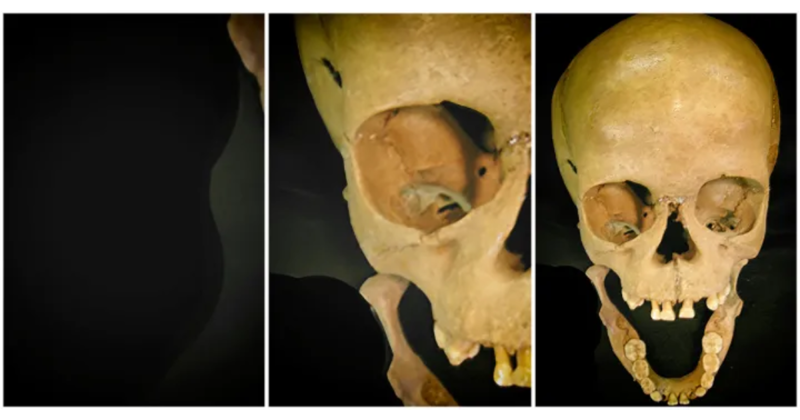
Rickettsia felis genome reconstructed from petrous bone of 7-year-old San boy at Ballito Bay. First ancient pathogen DNA detected in southern African hunter-gatherer. Pathogen hitched ride on flea, causes typhus-like rickettsioses with up to 19% fatality. Diseases killed 70% of past humans before adulthood. Hunter-gatherers reproduced from age 13-14 due to massive child pathogen mortality. 70% human diseases zoonotic from animals like fleas, ticks. Rickettsia felis present 2,000 years ago in non-agricultural Stone Age San. Challenges idea diseases only emerged in Neolithic farming era. Ballito Boy genome dates modern human-archaic split to 350,000-260,000 years ago. San ancestors lactose intolerant with no genetic defense against Plasmodium vivax malaria. Pathogens spread globally out of Africa with humans 60,000 years ago. Sediments and heat degrade African ancient DNA, rare preservation here due to sandy beach burial. Shotgun sequencing leftovers revealed non-human pathogen DNA. Rifkin team calls for study of ancient zoonoses on human longevity and behavior. Similar rickettsia species caused 4-66% mortality pre-antibiotics. San boy part of Khoe-San lineage, hunted with poisoned arrows, ate shellfish.
Comments
Be the first to comment!