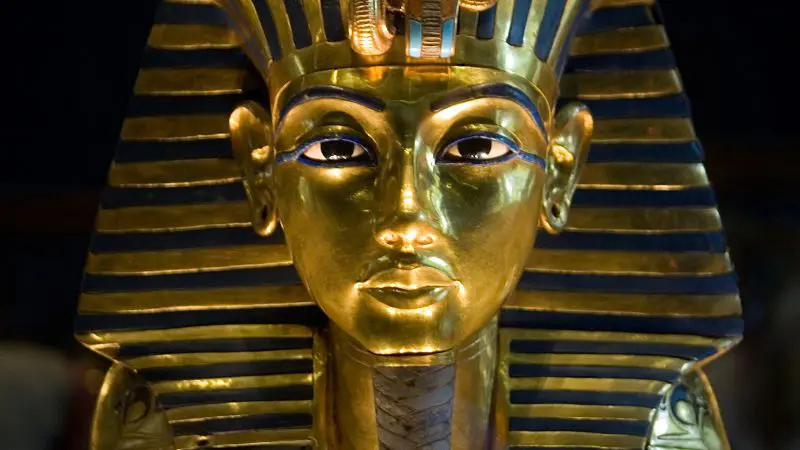
Studies of the mummies' genome have shown that the closest genetic relatives of the ancient Egyptians were the Neolithic populations of Europe and the Middle East, i.e. genetically modern Europeans. At the same time, modern Egyptians share DNA fragments with sub-Saharan populations. Note: The current population of North Africa, the Middle East, Egypt, Asia less genetically DIFFERENT from the populations living in these areas in the Neolithic. Moments before the Bronze Age began, these areas were inhabited exclusively by white people - from Iran to the Balkans. Sumer, Egypt, Gobekli Tepe, agriculture, bronze, iron, horse saddling, animal husbandry, art, the first writing, pyramids, mummies, literally everything that was created from 10k B.C. to 800 A.D., from Iran to Spain, was the work of the white man, modern Europeans who did not mix genes with blacks, or indirectly with blacks through the Arabs. After the fall of Rome, with the spread of Islam, the sub-Saharan slave trade began in the Middle East. There was a mixing of races and thus an interruption of genetic continuity. You remember from history lessons that at the beginning of the Middle Ages the Middle East had a high level of science, culture, and then it got worse and worse and worse.... This coincides with the increasing % of sub-Saharan DNA in these populations. A topic covered in another article on the site, use the Sumer / Egypt filter. The discovery changes previous knowledge of Egyptian history and opens up new possibilities for scientists. the study found that preserved remains found at Abusir-el Meleq in central Egypt were the closest genetic relatives of Neolithic and Bronze Age populations from the Middle East, Anatolia and eastern Mediterranean Europeans. In comparison, modern Egyptians have much more DNA in common with sub-Saharan populations. By analyzing samples spanning more than a thousand years, the researchers looked for genetic differences from today's Egyptians. They discovered that the sample set showed a strong link to a group of ancient non-African populations east of the Mediterranean. Krause describes the extensive data set obtained through mitochondrial genome analysis: "This is not just the DNA of one person. It's the DNA of parents, grandparents, parents of grandparents, parents of great-grandparents, etc.," he says. "So if we don't find sub-Saharan ancestry in these people, it's quite representative, at least for central Egypt." "The genetics of the Abusir el-Meleq community did not undergo any major changes in the 1,300 years we studied," - Wolfgang Haak, head of the group at the Max Planck Institute, said. "Many people assumed that alien invaders ... brought a lot of genetic ancestry to the region," - Krause said. "People expected Egypt to become more European over time, but we see exactly the opposite." It was discovered that modern Egyptians "inherit 8 percent more ancestry from African ancestors" than the mummies studied. The article cited increased mobility along the Nile, increased long-distance trade and the era of the trans-Saharan slave trade as potential reasons.
Comments
Be the first to comment!